Transient Power Delivery & Rail Isolation
Isolating microsecond voltage drops and Power-Good (PG) latency during peak-load state transitions using live power telemetry and rail monitoring.
// 01. SYSTEM OVERVIEW
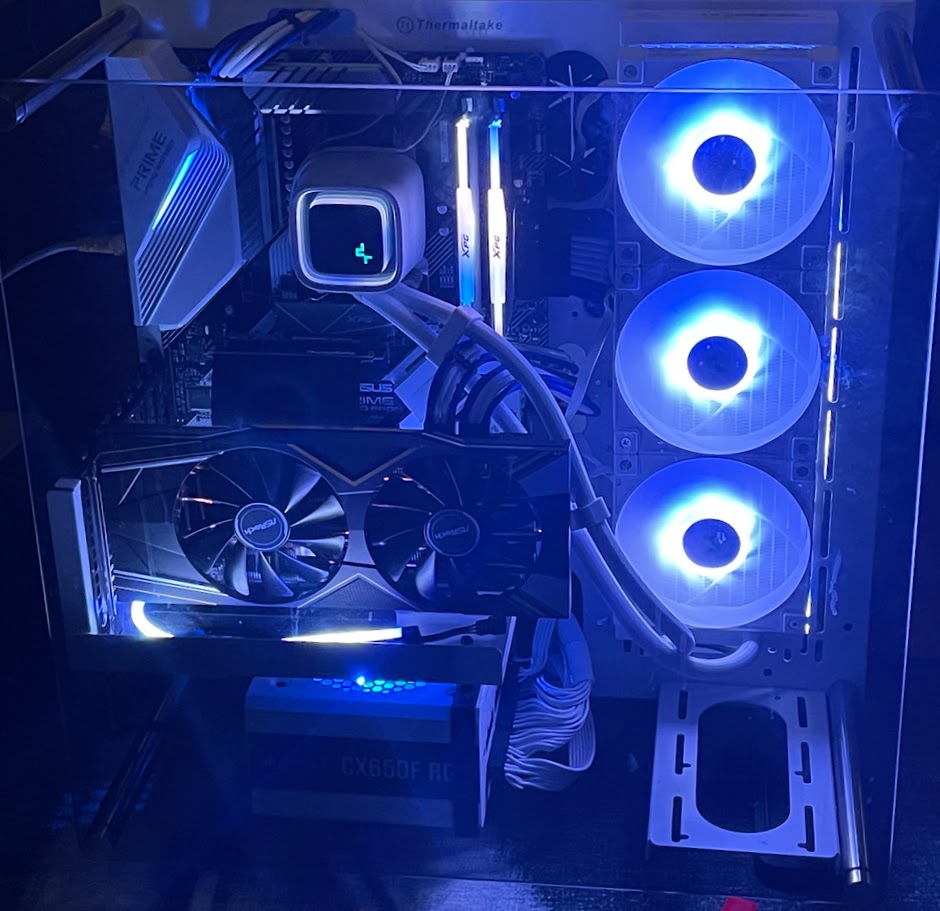
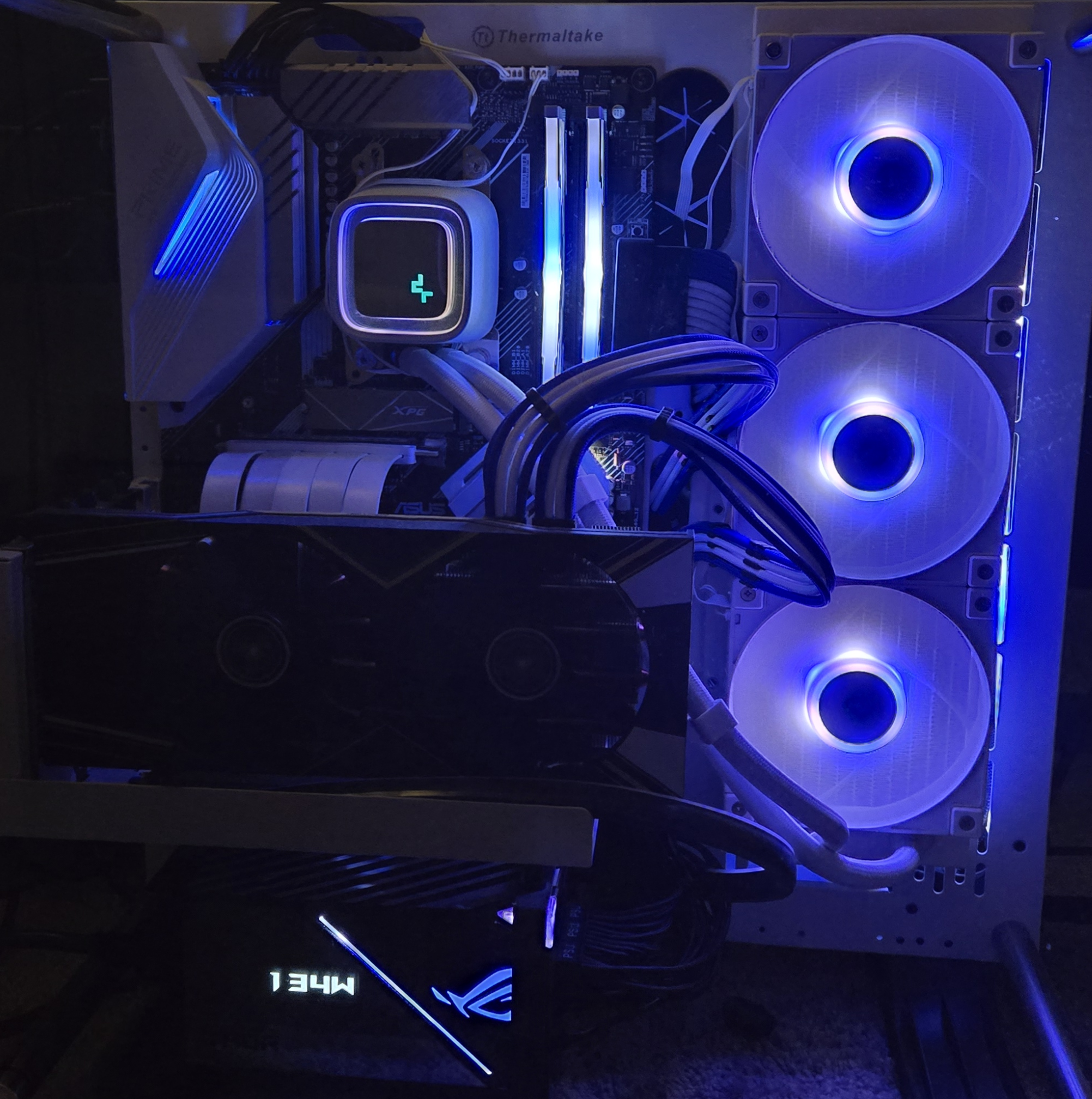
Primary objective involved diagnosing and isolating intermittent system resets and cold-boot failures occurring under transient GPU/CPU power draw spikes using live power telemetry and rail monitoring.
// Core Competencies
- • Root Cause Failure Analysis (RCFA)
- • Power Rail Diagnostics
- • Transient Load Triage
- • Logic Analyzer Triggering
- • Power-Good (PG) Signal Timing
// DIAGNOSTIC & BUILD ARTIFACTS
// 02. IDENTIFIED FAILURE MODES
Microsecond Voltage Sag
High transient current demands during GPU power-state shifts triggered instant trip protections on the +12V rail, sagging voltage below operating thresholds before onboard sensors registered the fault.
PG Signal Latency Out-of-Spec
The power supply unit's PG sense line exhibited microsecond timing delays during warm resets, failing to signal stable power to the motherboard within strict timing windows.
Inrush Current Saturation
Simultaneous initialization of high-draw peripherals during boot created a localized current spike, exceeding steady-state trip thresholds.
// 03. ENGINEERING EXECUTION & DIAGNOSTICS
- Bench Telemetry & Signal Monitoring: Instrumented primary power rails (+12V, +5V, +3.3V) and the PG sense line using hardware logic tools and low-cost signal triggers to capture transient state behavior during failure windows.
- Load Isolation & Decoupling: Isolated individual hardware loads on dedicated rails to decouple power delivery paths, systematically proving that failure was triggered by transient slew rate rather than steady-state power draw.
- Rail Profiling & Distribution Optimization: Reconfigured power harness topology, balanced rail load distributions, and adjusted power delivery specs to absorb transient spike profiles without tripping over-current protection (OCP).
// 04. VERIFICATION & RESULTS
Verified 100% elimination of transient-induced system resets across 100+ stress-cycle runs under rapid load-step conditions.
Produced a clear RCFA report detailing exact voltage sag duration, trigger conditions, and PG signal latency bounds for future triage.